
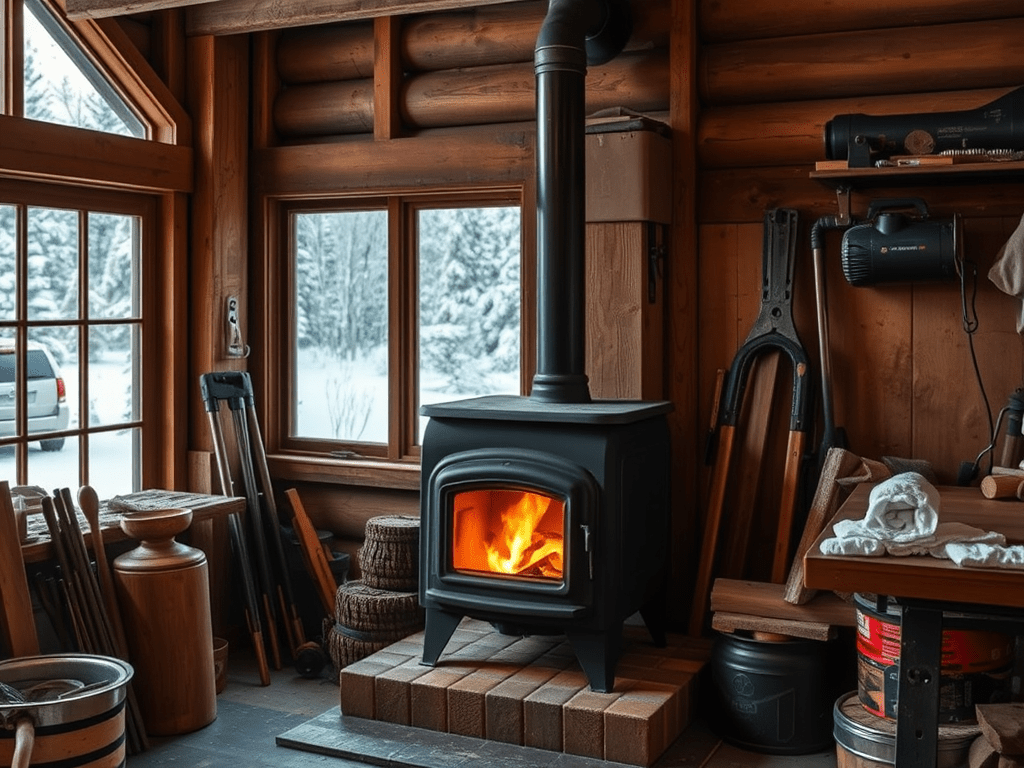
In North Idaho, it’s common for homeowners to heat shops, garages, and other detached structures with a wood-burning stove. The region experiences long winters. Many properties are located on acreage. As a result, a wood stove is often the most practical way to keep a workspace warm in areas like Coeur d’Alene, Hayden, Rathdrum, Post Falls, Athol, and Spirit Lake.
However, many property owners don’t realize that wood-burning stoves can affect their insurance coverage, especially when installed in detached buildings. If the stove isn’t properly installed, it can result in higher premiums. Not disclosing it to the insurance company may also lead to coverage restrictions or even claim issues after a loss.
For homeowners in North Idaho, understanding how insurers evaluate wood-burning stoves can help avoid problems down the road.
Why Insurance Companies Pay Attention to Wood Stoves
Wood stoves are one of the most common causes of structure fires, particularly in rural areas. Because of this, insurance companies carefully evaluate properties that use wood heat.
The risk increases when a stove is located in a detached shop or garage, since these buildings often contain:
- gasoline or diesel fuel
- woodworking materials
- solvents or chemicals
- equipment and machinery
- sometimes left unattended for long periods of time
When heat sources are combined with flammable materials, the potential for fire damage becomes significantly higher. Because of this, many insurance carriers have specific underwriting guidelines for wood-burning appliances.
Installation Matters
One of the first things insurance companies look at is how the wood stove was installed.
Most insurers prefer that stoves be installed according to manufacturer specifications and local building codes. In many cases, carriers want to see:
- a UL-listed stove and chimney system
- proper roof venting
- correct chimney height
- installation by a qualified or licensed installer
Homemade setups, barrel stoves, or improvised chimney systems are often declined by insurance companies. This is because they create a much higher fire risk.
If a stove installation does not meet safety standards, it can be challenging to find coverage. Certain insurance carriers may be unwilling to provide it.
Clearance and Safety Requirements
Insurance companies also evaluate clearance distances between the stove and surrounding materials.
Wood stoves generate significant heat. If they are installed too close to walls, floors, or other combustible materials, they can gradually cause ignition over time.
Typical safety expectations include:
- non-combustible flooring beneath the stove
- proper distance from walls or combustible materials
- heat shields when required
- proper chimney pipe insulation
These requirements help reduce the chance of fire and are often necessary for the property to be insurable.
Always Disclose Wood Stoves to Your Insurance Agent
One of the most common issues occurs when homeowners forget to mention a wood stove. This frequently happens in a detached building when purchasing insurance.
Detached structures are usually covered under a homeowner’s policy. However, the presence of a wood stove is considered an important risk factor. If the insurance company is not aware of it, it could complicate a claim after a fire.
When reviewing your policy, your agent will typically want to know:
- whether a wood stove is present
- where it is located
- how it was installed
- whether it is used regularly for heat
Providing accurate information ensures the insurance policy properly reflects the property.
Working With a Local North Idaho Insurance Agent
Wood-burning stoves are extremely common in North Idaho homes with acreage. They are also found in shops and detached garages. Not all insurance companies treat them the same way.
A local North Idaho insurance agent knows which carriers are comfortable insuring these types of properties. They understand how to structure coverage properly.
If you have a wood stove in a shop or detached building, review your insurance coverage. This ensures that everything is documented and insured correctly.
The goal is simple. We ensure your property, buildings, and equipment are fully protected. This way, you can enjoy your North Idaho property with confidence.

